
Mission-Critical Radio Interoperability Systems for
Public Safety, Military, and Multi-Agency Operations
Cross-band and cross-protocol radio interoperability for disaster response and infrastructure-denied environments.
The ICRI Interoperability Platform is a rugged, audio-level interoperability system designed to bridge voice communications between otherwise incompatible radios, networks, and devices.
ICRI enables cross-band and cross-protocol voice patching by connecting donor radios, satellite endpoints, telephony interfaces, dispatch consoles, and broadband push-to-talk users into shared incident talk groups. It does not replace existing infrastructure. It connects and unifies it at the audio layer.
Deployed by public safety, military, and emergency management teams, ICRI allows disparate systems to operate together during planned operations, multi-agency responses, and degraded or infrastructure-denied environments.
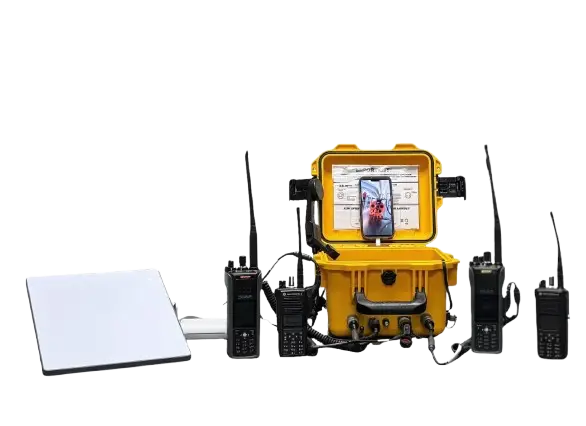
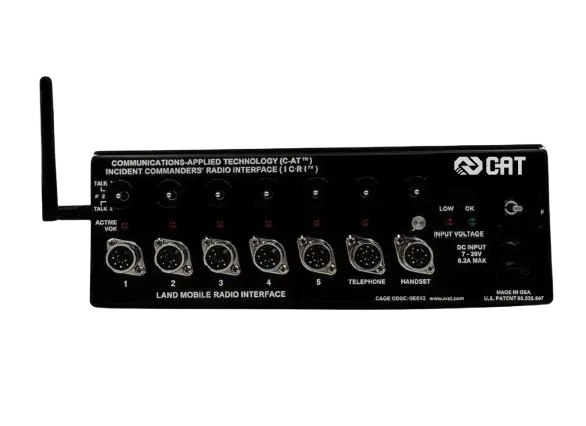
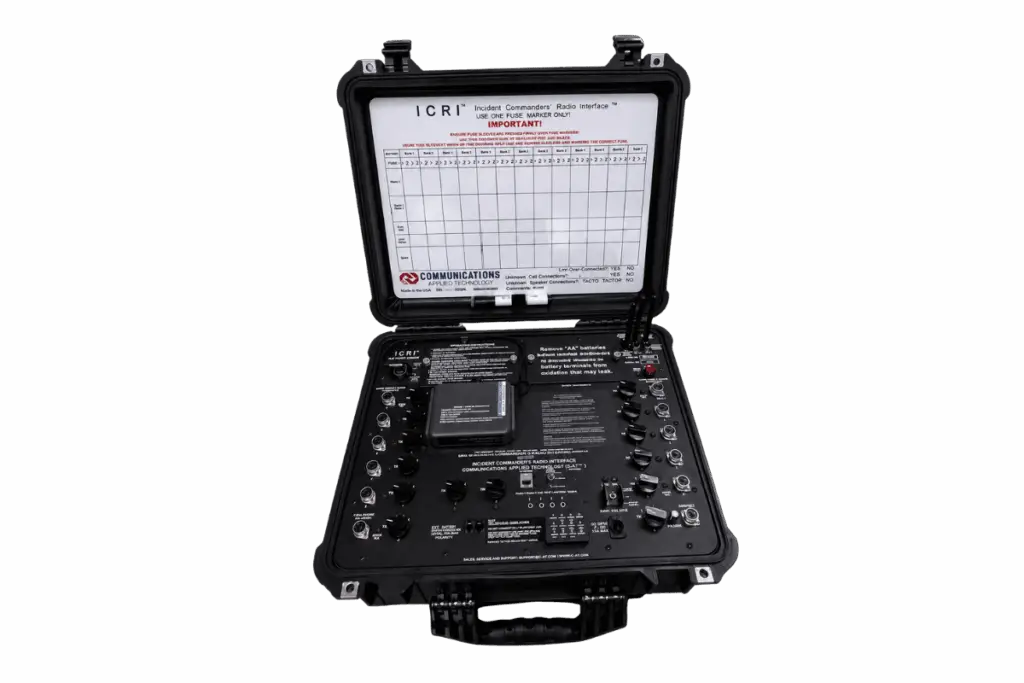
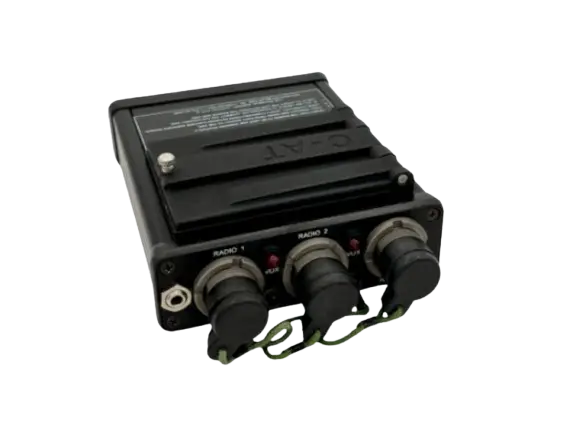
Radio-agnostic voice interoperability across manufacturers, frequency bands, and legacy systems
Cross-band and cross-protocol audio bridging between otherwise incompatible systems
Simultaneous multi-network patching into unified incident talk groups
Integration across legacy, NATO/coalition, and modern radio ecosystems
LMR integration including portable, mobile, and base station donor radios
Trunked system participation without infrastructure modification
Military HF radio integration for beyond-line-of-sight operations
MANET and mesh radio bridging with legacy systems and interfaces
SATCOM audio endpoints
Cellular and telephony audio bridging
Remote operator connectivity via VoIP
Broadband PTT and PTToC integration
Mission-specific interface cabling
Support for specialized connector standards
Flexible audio interfaces across radio and headset systems
Dispatch console integration without vendor-specific dependencies
Remote operator participation via phone, VoIP, or broadband PTT
Unified command voice coordination across disparate systems
On-scene patch authority enabling Incident Commanders to establish interoperability immediately at the incident site
Reduced reliance on centralized dispatch patching during time-sensitive operations
Tactical-edge control allowing agencies to be connected instantly without back-end configuration delays
Rapid plug-and-talk field deployment with minimal technical setup
Minimal configuration requirements to reduce operational delay
Operates effectively in congested, degraded, or infrastructure-denied environments
Sustains interoperability when primary networks fail or become unreliable
Integrated broadband PTT and PTT over Cellular participation within unified talk groups
Seamless transition to LMR when cellular networks degrade or collapse
Maintains cross-agency connectivity during broadband fallback events
Eliminates communication isolation during network disruption
Scalable across incident sites, EOCs, mobile command posts, shelters, tactical operations, and austere environments
Supports field-driven interoperability without dependence on centralized dispatch control
Instant Interoperability when agencies converge during hurricanes, wildfires, and major incidents.
Maintain communications when towers, fiber, or cellular networks are damaged or unavailable.
Unify disparate radio systems into shared operational voice nets for coordinated response.
Extend communications across mountains, islands, rural terrain, and dead zones using long-haul and satellite links.
Rapid Interoperability for field and disaster response operations
• Portable, fast deployment
• Cross-band radio bridging
• Drone deployable option
• SATCOM & broadband endpoints
Ideal for mutual aid & emergencies
• Multi-radio patching
• Rapidly expand with link port
• Rack-mount systems
• Dispatch & enterprise integration
• SATCOM & broadband endpoints
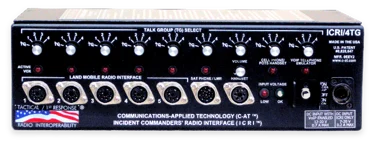
• Rack-mount systems
• Dispatch & enterprise integration
• SATCOM & broadband endpoints
Multi-port radio interface
Audio bridging across incompatible systems
Support for donor radios, SATCOM, and broadband endpoints
Portable and rack-mount configurations
Field-configurable, no software dependency
Expansion modules available
Government agencies can procure C-AT systems through multiple streamlined purchasing paths:
• Cooperative contracts
• P-Card purchasing
• Government buying programs – GSA
• Funding and grant-supported procurement
• Compliance-ready acquisition options
C-AT supports rapid procurement for time-sensitive missions and emergency deployments.
Connect personnel, agencies, extend operational reach, and maintain communications – Even when infrastructure fails.