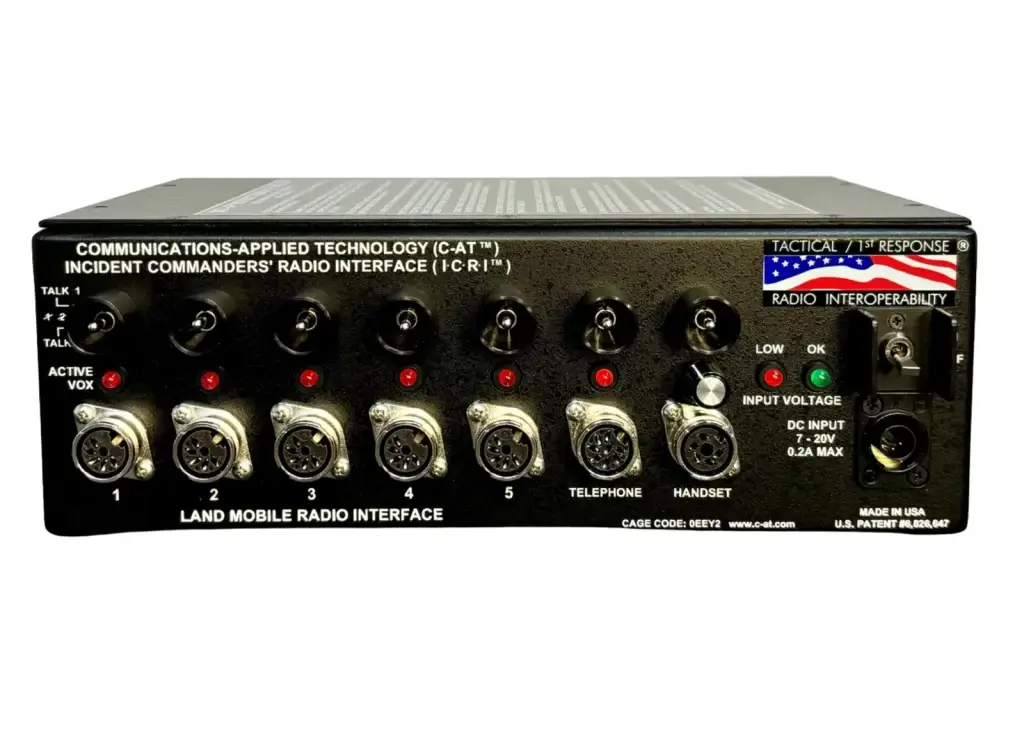
OPERATOR PRO ICRI™

Multi-Channel Interoperability for Multi-Agency Operations

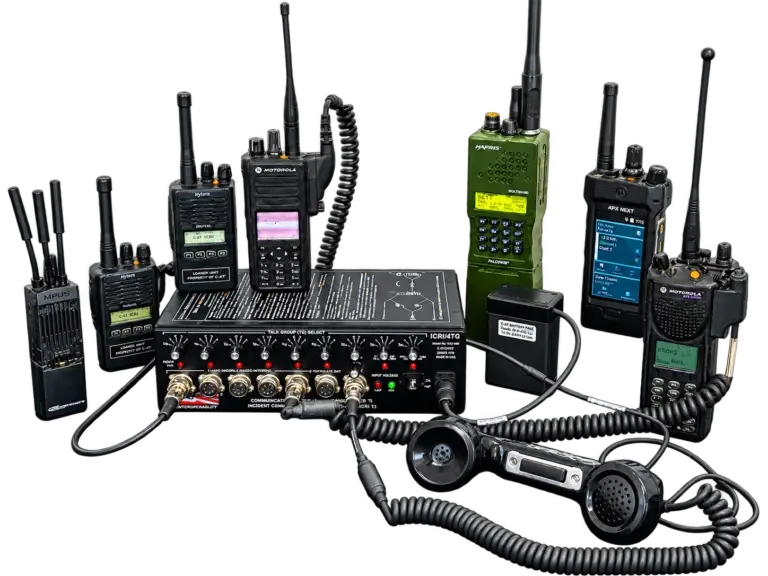
Connect up to 5 radios and 7 total audio devices for field, vehicle, or fixed-site operations

no infrastructure changes, radio programming, or dispatch-managed patches required.

5 Radios &
7 Devices

Up to 5 radios and 7 total audio devices connected in one environment.

2TG & 4TG Configurations

Structured talk group support for simple patches or advanced multi-agency coordination.

Multi-Path Integration

LMR, trunked radios, PTToC, cellular, satellite, dispatch audio, VoIP, MESH radios.

No Infrastructure Changes

Deploy at field command posts, vehicles, or fixed sites without reprogramming radios.

What Operator Pro Is

Operator Pro is Tier 2 of the ICRI Platform. It connects radios and voice devices into one controlled communication environment.

A 5-Port Interoperability Platform

It enables agencies to:

  • Patch multiple radios together quickly
  • Organize communications into 2TG or 4TG talk groups
  • Connect analog, digital, trunked donor radios, LMR, PTToC, cellular, SATCOM, VoIP, SIP, mesh and MANET-connected voice paths
  • Bring dispatch audio into the communication environment from systems such as Motorola ASTRO, Zetron, Avtec, and VESTA
  • Make real-time talk group changes as operations change
  • Coordinate multiple agencies and operational roles more effectively

Deployment Environments

Operator Pro can be deployed in:

Field Command Posts

Ruggedized Field Environments

Vehicles

Fixed Installations​

What operator pro is not

Understanding what Operator Pro is not is just as important as understanding what it is.

Not a replacement

NOT a replacement for an agency’s radio system

Not dispatch-dependent

NOT dependent on dispatch-built patches

Not network-dependent

NOT dependent on the network being available

Not band-limited

NOT limited to a single radio band or one device type

Not just a multiband radio

NOT just a multiband radio in another form factor

It is a system for connecting multiple users, systems, and voice paths into one operational communication environment

Operational Context

When Speed Is the Priority

Some incidents require a direct patch.

Use it as a simple patch when speed is the priority.

When the Operation Expands

Other incidents require more control.

Use it as a structured coordination platform when the operation expands.

The Challenge

Fire, EMS, and Law Enforcement arrive with incompatible radios

The Solution

Operator Pro establishes instant shared communications that expands as additional agencies arrive

The Result

Eliminates the need for Dispatch-mediated patching

Communications Independence

When networks are unavailable, degraded, or not trusted, teams still need a direct and controlled communication path.

Operator Pro maintains interoperability across connected radios and voice devices without requiring the network to remain operational.

This gives agencies a communication option that remains usable when:

Infrastructure Is Degraded

Operates independently of fixed infrastructure.

Broadband Is Unavailable

Does not depend on broadband connectivity to function.

Dispatch Support Is Delayed

No waiting on dispatch to build or manage patches.

Local Controlled Voice Path Required

The mission requires a local, controlled voice path.

What Operator Pro Does

Operator Pro is a 5-port Interoperability hub that connects radios and voice devices into one controlled communication environment.

It enables agencies to Connect and Manage Multiple Communication Paths without relying on network infrastructure.

It Can Connect

• analog radios
• digital radios
• trunked radios through donor radios
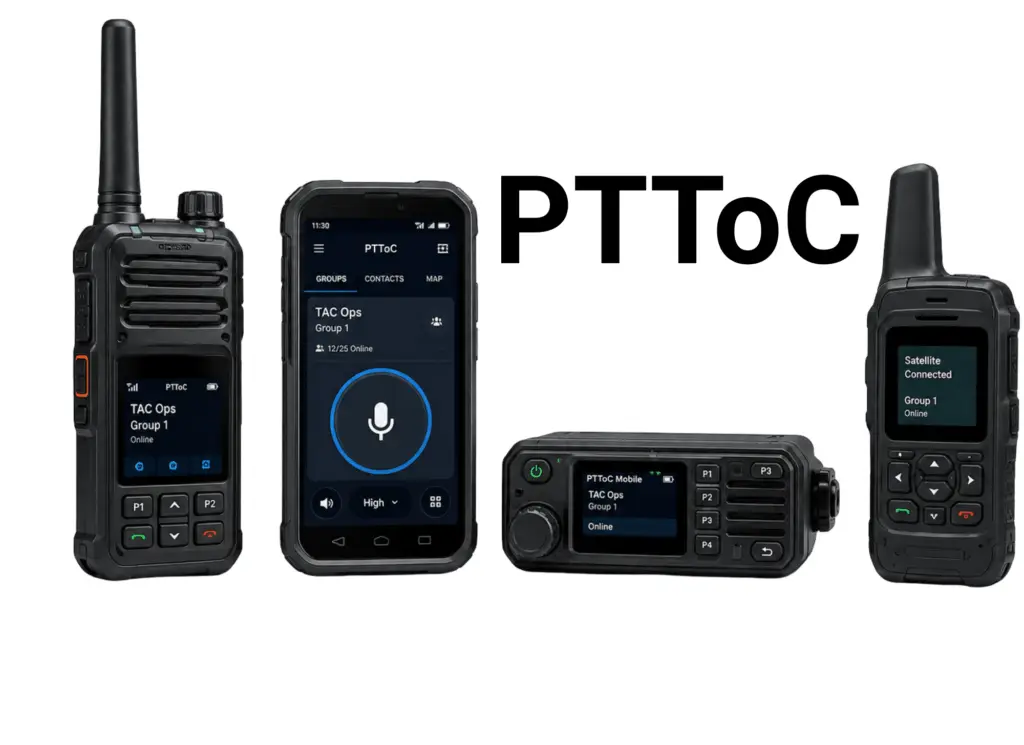
• PTToC devices
• cellular phones
• satellite phones
• dispatch-connected audio
• VoIP and SIP voice paths
• mesh and MANET-connected audio through donor radios

Operator Control

It gives the 

On-Scene OPERATOR control over how those devices are 

Grouped, Monitored, and Managed.

Platform-Wide Capability

Operator Pro supports Interoperability across operational environments, including:

→ ship-to-shore communication
→ air-to-ground coordination
→ local-to-state interoperability
→ cross-band radio systems
→ radio to PTToC
→ radio to cellular
→ radio to satellite
→ radio to VoIP and SIP-connected voice environments
→ radio to trunked radio participation through donor radios
→ radio to mesh and MANET systems through donor radios

Dispatch Audio Integration

Enables  integration with existing dispatch infrastructure:

It supports audio integration with a wide range of dispatch and console systems, 

including:

• Motorola ASTRO and similar P25-based systems

• Zetron and other IP-based dispatch platforms
• Avtec, VESTA, and comparable console environments
• Additional legacy and modern dispatch systems used across public safety agencies


Communications routed through the system can be monitored, accessed, and managed as active communication resources without replacing existing infrastructure.

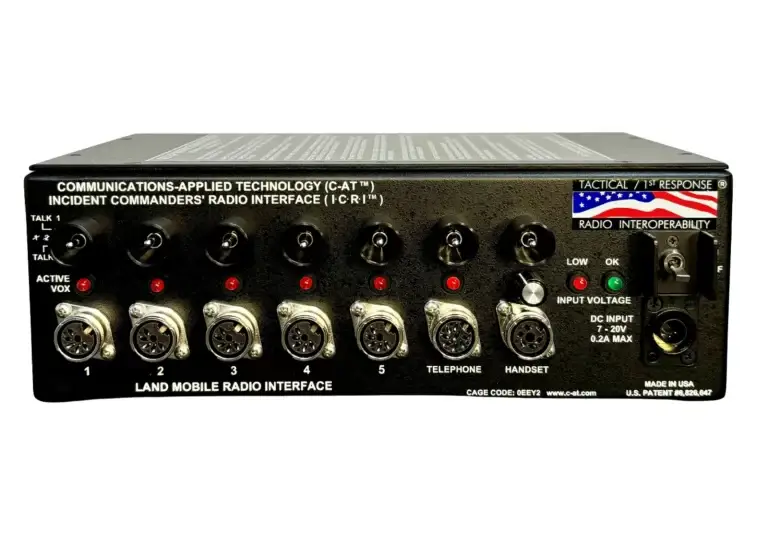
Multiband Radios vs. True Interoperability

Multiband radios let one user access multiple bands. Operator Pro connects multiple users and multiple systems into one communication environment.

Multiband Radios Do Not:

connect agencies together automatically

create a shared talk path across systems

remove the need for manual relay between users and channels

Operator Pro Does:

connect multiple systems simultaneously

allow connected users to hear and talk together

reduce missed messages, manual relays, and communication gaps

provide a direct patch or a more structured interoperability platform

Operator Pro Models

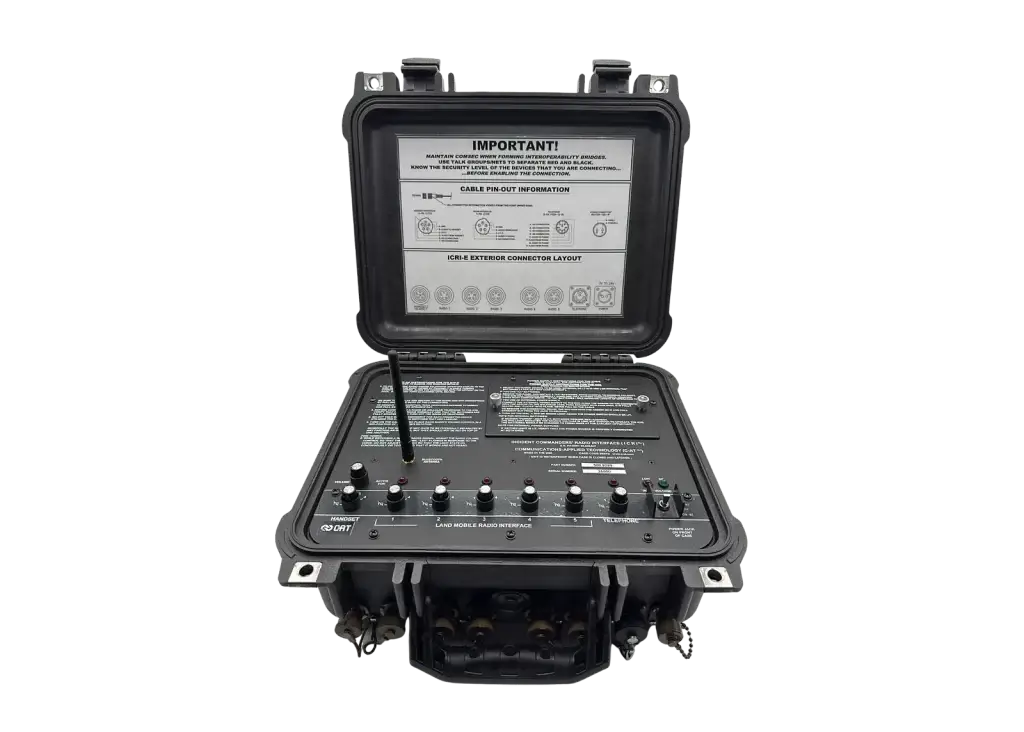
Operator Pro Base & Base Plus

Noise Cancelling Handset Microphone with PTT

RJ22 Telephone Jack

Bluetooth or Hardwired Mobile connection

4 radio cables

Choice of Power configuration

Multiple options

Base Model

Operator Pro Base

5-port, 2TG: Field Interoperability

Best For: Single-agency response, vehicle deployment, rapid field coordination

2 Talk Groups: Command & Operations

Base Plus Model

Operator Pro Base Plus

5-port, 4TG: Multi-Agency Coordination

Best For: Multi-agency response, unified command, complex sustained incidents

4 Talk Groups: Command, Operations, Logistics & Agency Channel

Operator Pro Models

Operator Pro Rack-mount

Noise Cancelling Handset Microphone with PTT

RJ22 Telephone Jack

4 radio cables

Bluetooth or Hardwired (via RJ22) Mobile connection

Standard 110/220 AC Power Plug

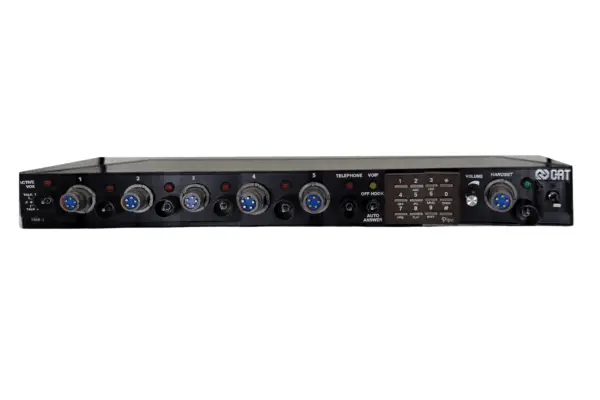
1U Model

Rack-Mount 1U

5-port, 2TG: Field Interoperability

Best For: Mobile command vehicles, EOCs, and space-constrained fixed installations, equipment integration.

2 Talk Groups: Compact Install

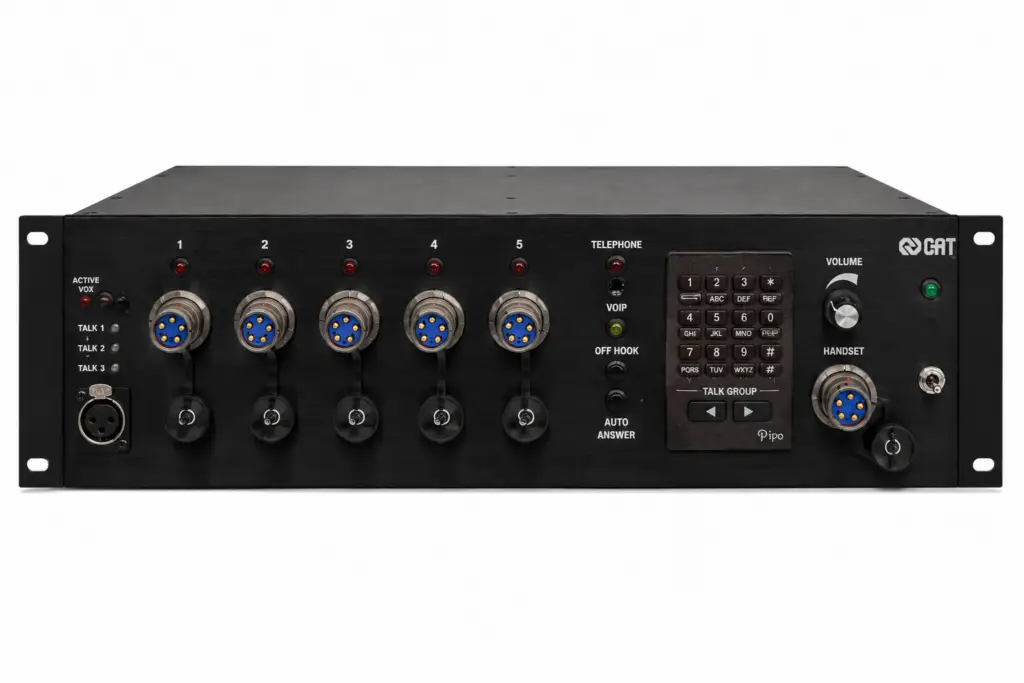
3U Model

Rack-Mount 3U

5-port, 2 & 4TG: Multi-Agency Coordination

Best For: Emergency operations centers, fixed facilities, and installations requiring expanded interoperability capacity

2 or 4 Talk Groups: Command, Operations, Logistics & Agency Channels

1U and 3U - 19" rack Configurations

Centralized C2

Always-On Interoperability

Dispatch Integration

Monitoring & Recording Support

Operator Pro Models

Operator Pro Guardian

2TG Model

Guardian 2TG

Portable Field Interoperability

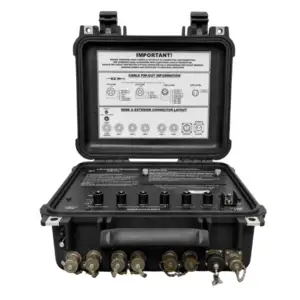
Best For: Disaster response, Tactical Field operations, and rapid deployment in harsh or contaminated environments

4TG Model

Guardian 4TG

Multi-Agency Field Coordination

Best For: Multi-agency disaster response, complex tactical operations, and sustained field incidents requiring Command, Operations, Logistics, and Agency communication lanes

Waterproof Enclosure

2 and 4 TG Configuration

AA Battery - powered portability

VoIP and SIP Support

Radio, Cellular, MESH & satellite integration

Field Ready Deployment

Linked Capabilities

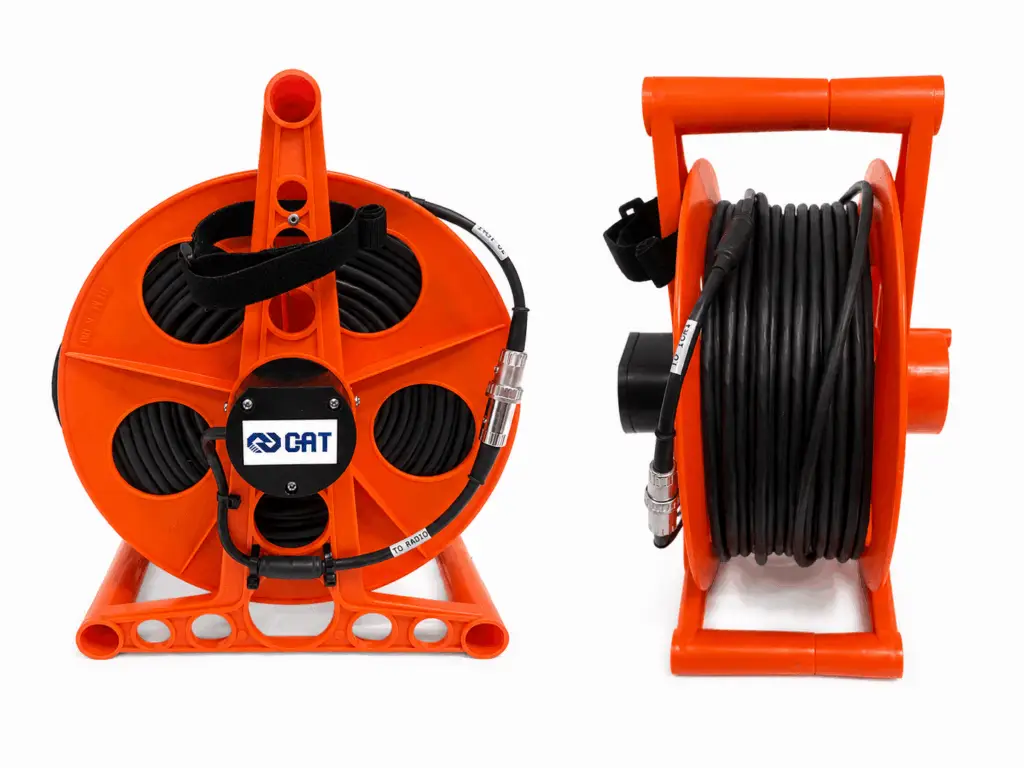
CSCK - Confined Space Continuity Kit

250' & 500' Reels

Linkable up to 5,000 feet PER PORT

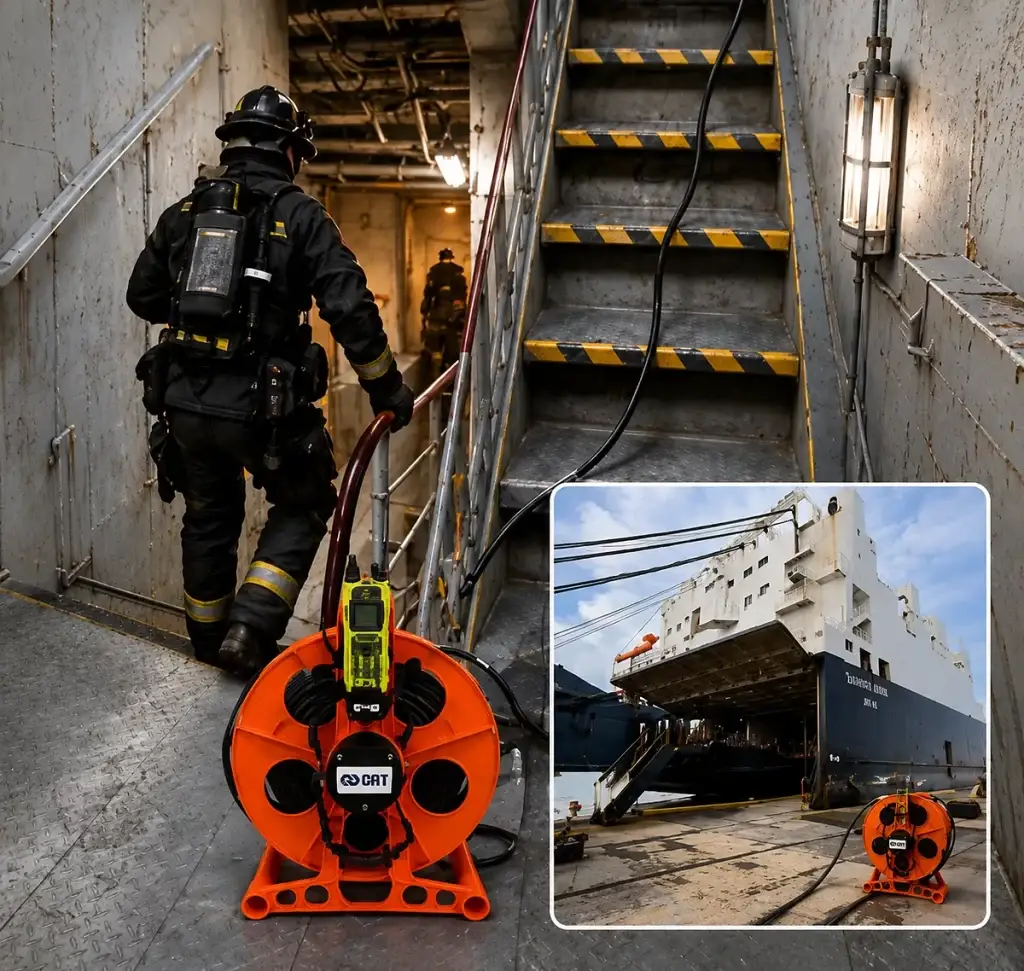
Built for Tunnels, Mines & Ship Holds

Below-Grade Environment Ready

Compatible with Any ICRI

Extends RF-Denied Communications

What it is

Confined Space Continuity Kit

Extending Communications into RF-Denied Environments

Best For: Underground operations, tunnels, mines, ship holds, ports and below-grade environments where RF systems cannot reliably operate.

Operational Role

How It Works

Communication in RF Denied Spaces

Beyond line of sight signal extension. A cost effective, repeater like or antenna like link for line of sight denied environments.

linked Capabilities

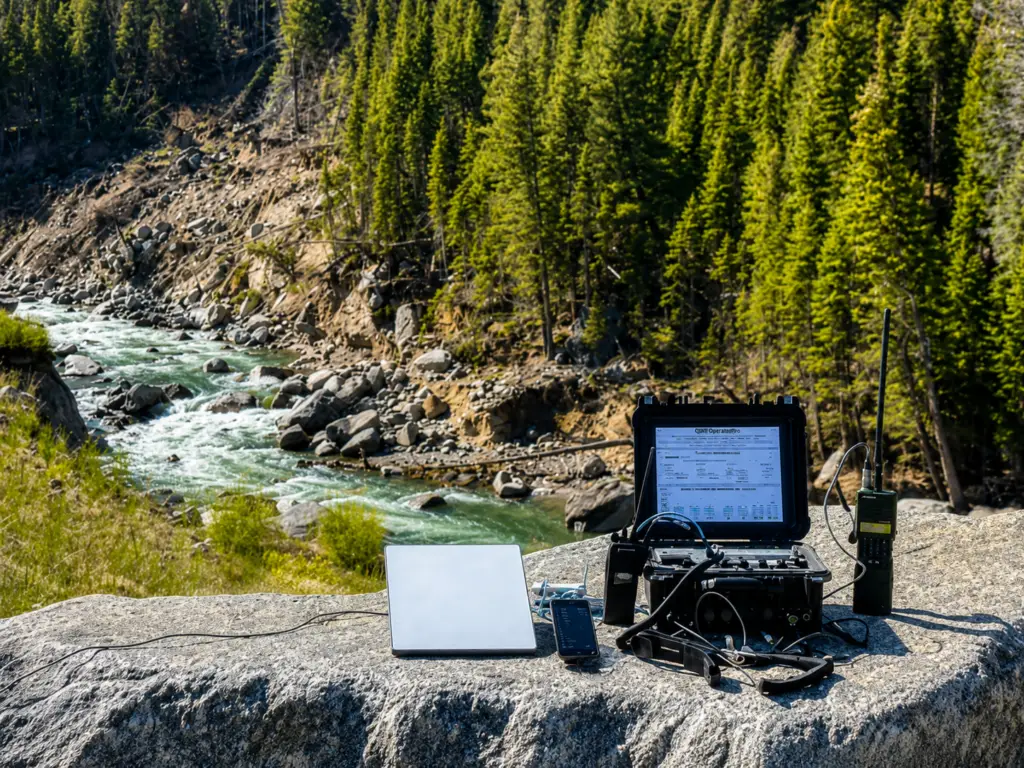
Satcom integration

Beyond-Line-of-Sight Communications

Regional & Continental Reach

Backhaul to EOC's & Command Centers

Compatible with Starlink & Emerging SATCOM

Satellite-Connected Voice Transport

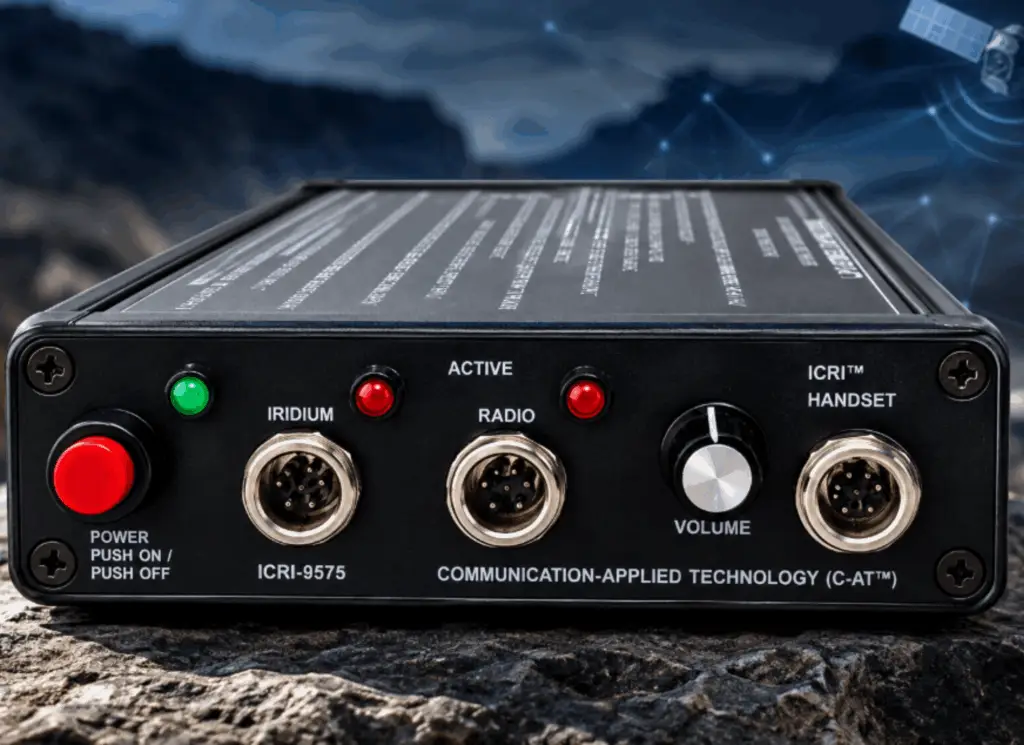
Integrates with Operator Pro and Commander Elite. available as Custom Build

What it does

Long-Haul Communications

Beyond Terrestrial Coverage

Best For: Remote field operations, disaster response, and incidents where terrestrial and cellular networks are unavailable or overwhelmed

Operational Role

How It Integrates

Iridium, Starlink, Amazon LEO, MSAT G2, G2e,

Plug and Talk extension for LMR beyond terrestrial limitation.

Structured Communication with Talk Groups

Operator Pro supports 2TG and 4TG configurations.

2TG

Used when the agency needs a direct patch plus basic separation between communication paths.

Typical use:

4TG

Used when the incident requires more structure.

Typical Use:

This enables agencies to keep order in the communications plan while still maintaining interoperability across connected systems.

Real-Time Control

Devices can be assigned to talk groups in real time.

On the Device

Direct control at the unit itself.

Through a Local Interface

Managed via the on-scene interface

Through Remote Control

Adjusted from an off-scene location.

No rewiring. No radio reprogramming. No waiting on dispatch to build a patch.

Remote Talk Group Control Interface

Operator Pro also supports a secure, web-based Remote Talk Group Control Interface for off-scene communication management.

Authorized Personnel Can:

Managed From:

Field personnel remain focused on operations while communication structure is adjusted as conditions change. The on-scene Incident Commander retains full control and can override or remove remote access at any time.

When this option is included, the system is delivered with a dedicated 7-inch control interface that can be used:

     – directly at the device

     – inside a vehicle or mobile command platform

     – at a command post or coordination center

Link-Port Expansion

01

Two units connect through Link-Port

02

Paired talk groups extend across both systems

03

Connected devices remain synchronized

Operational Result

This supports expansion without changing how the teams operate.

Command and Remote Access

1

Direct Command Communication

A connected handset or headset gives the Incident Commander a direct communication point across all connected systems.

This reduces the need to monitor multiple radios and provides one point of access into the full interoperability environment.

2

Cellular and Telephone Access

A connected mobile phone or telephone path can be called from any location and bridged into active communication paths.

This allows:

• Remote command participation
• Off-site coordination
• Direct voice access into the incident

VoIP and SIP Integration

Operator Pro supports VoIP and SIP integration for networked voice environments.

01

Connect into IP-based voice systems

02

Support remote users and command nodes

03

Extend audio into networked voice environments

04

Bridge voice between radio and SIP-connected systems

Operator Pro can be deployed with agency-managed or C-AT-provided network equipment.

PTToC Integration

How It Works in the FieldBroadband Push-to-Talk Alongside LMR

Operator Pro supports PTToC integration for agencies using broadband push-to-talk alongside LMR systems.

This allows:

Joint Operations Use Case

This is useful when agencies need to connect LMR users with LTE or 5G-based voice users during joint operations.

Mesh and MANET Integration

What It Does

Allows mesh-connected audio to be brought into the interoperability platform and bridged to other communication systems.

What It Doesn't Do

Operator Pro does not manage the Mesh network itself.

It keeps communication across those systems usable and connected.

Trunked Radio Participation

Without Infrastructure Access

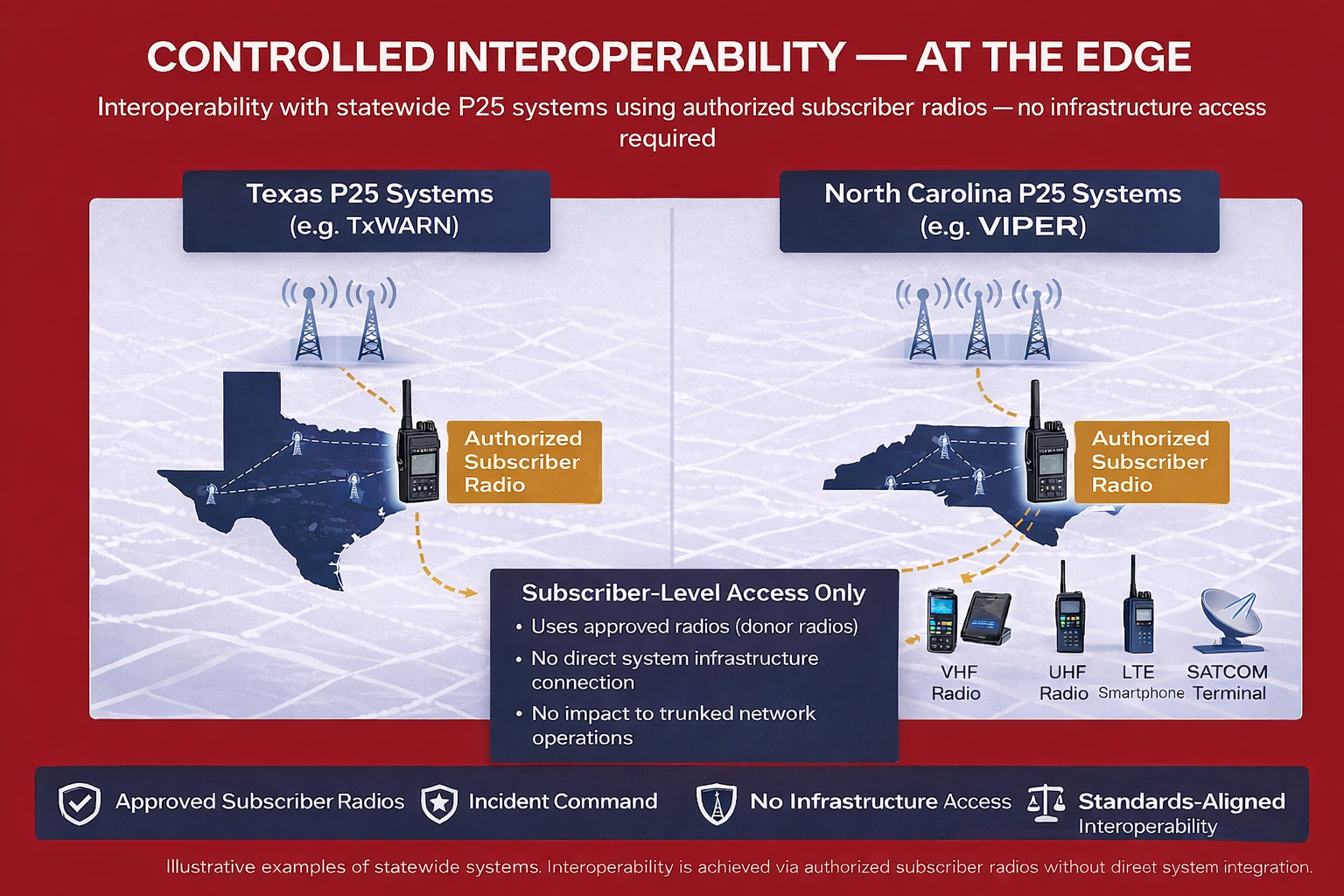
Uses approved subscriber radios (donor radios)

Operates on authorized talkgroups

No direct connection to trunked system infrastructure

Supports incident-based, command-controlled patching

Aligned with SAFECOM interoperability guidance

Radio interoperability across trunked P25 systems, LMR, PTToC, SATCOM, and mesh networks using donor radio access without infrastructure integration

Expanded Audio Access

Operator Pro supports up to 5 radios and 7 total audio devices, giving agencies a more robust system than a single-purpose field patch.

Land Mobile Radios

Direct LMR connectivity across agencies and frequencies.

Trunked Donor Radios

Trunked system access without infrastructure changes.

Handsets & Cellular

Handsets and cellular devices integrated as full audio endpoints.

Satellite Devices

Satellite voice paths for beyond-line-of-sight operations.

External Speakers

Audio distribution to external speakers (hardline or BT) and monitoring endpoints available.

Laptops & Audio Endpoints

Laptops and other audio endpoints  connected as part of the system.

Monitoring, Distribution, Recording & Advanced Control

Operator Pro supports:

This gives agencies the ability to monitor, document, and manage communications more effectively during longer or more complex operations.


Advanced Audio and Control

Operator Pro uses PTT-controlled radio ports and VOX-enabled telephony ports, allowing the system to manage different voice environments while preserving standard radio operation.

Additional capabilities include:

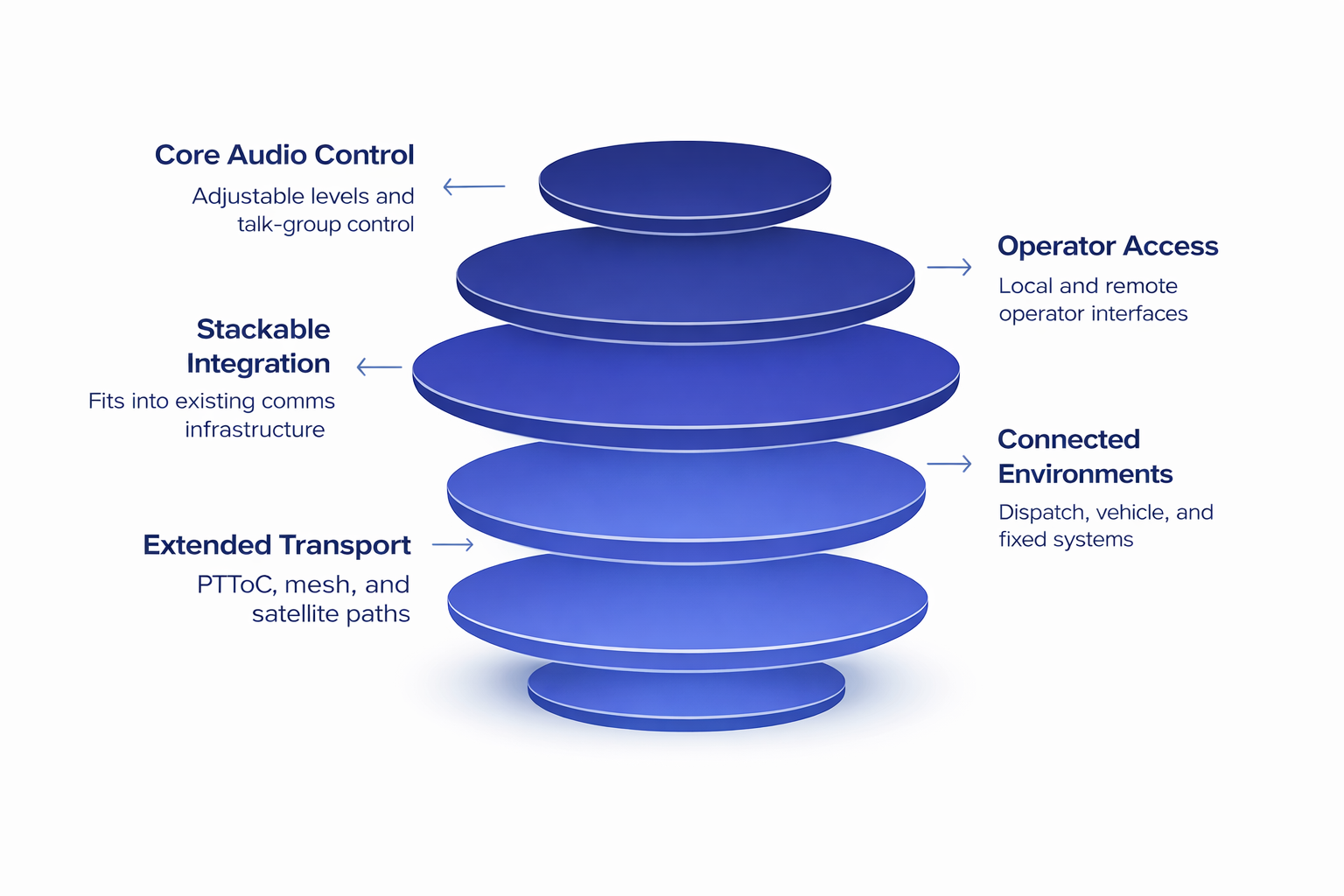
Stackable Integration Architecture

Operator Pro is designed to stack into existing communication systems and expand their capability. Agencies do not need to replace existing systems to gain more control or more interoperability.

Vehicle Intercom Systems

Integrates directly into vehicle-mounted intercom and audio infrastructure.

Dispatch-Connected Environments

Connects to dispatch audio without requiring managed patches or reprogramming.

Fixed Communications Systems

Slots into fixed installations and EOC communication racks.

PTToC and Network Voice Environments

Supports Push-To-Talk over Cellular and network-connected voice paths.

Mesh or Satellite-Supported Voice Paths

Extends interoperability through mesh-connected donor radios and satellite transport.

C-AT radio interoperability architecture showing integration of trunked systems, LMR, PTToC, SATCOM, and mesh networks with layered control and transport

Deploy Anywhere. Power Options & Deployment Environments

Power Options

Deployment Environments

The Challenge

Cellular networks and radio infrastructure are degraded or offline

The solution

System Operates Independently of Infrastructure

The Result

Maintains continuous communication across agencies

Model-Level Breakdown

Each model within the Operator Pro Tier is designed for a specific operational context while maintaining identical core interoperability capability.

Base Model

Standard field unit: vehicles and command posts

Rack-Mount

Integrated into equipment racks and  mobile command platforms

Guardian

Ruggedized transport case for wet and demanding field environments

Core Capabilities

Plug-and-Play Deployment

No programming or configuration required. Operational in minutes.

Infrastructure Independence

Functions without cellular, network, or backend systems.

Stackable Architecture

Stacks into existing systems, expanding voice capability across radios, networks, and teams

Radio-Agnostic Interoperability

Works across all frequencies and manufacturers.

No dependence on system compatibility.

Procurement and Deployment Readiness

Responder Ready supports rapid acquisition for operational urgency:

GSA Schedule Eligible

Available through the General Services Administration Schedule for streamlined federal procurement.

eVA and NCSA Technology Procurement Program

Accessible through established state and cooperative procurement vehicles.

P-Card Purchasing

Simplified purchasing via government purchase card for rapid acquisition.

Grant and Funding Pathways Available

Guidance available for leveraging applicable grant and funding sources.

Take the Next Step

Identify the right configuration for your operational need

Validate interoperability across your systems

Receive detailed technical and procurement guidance